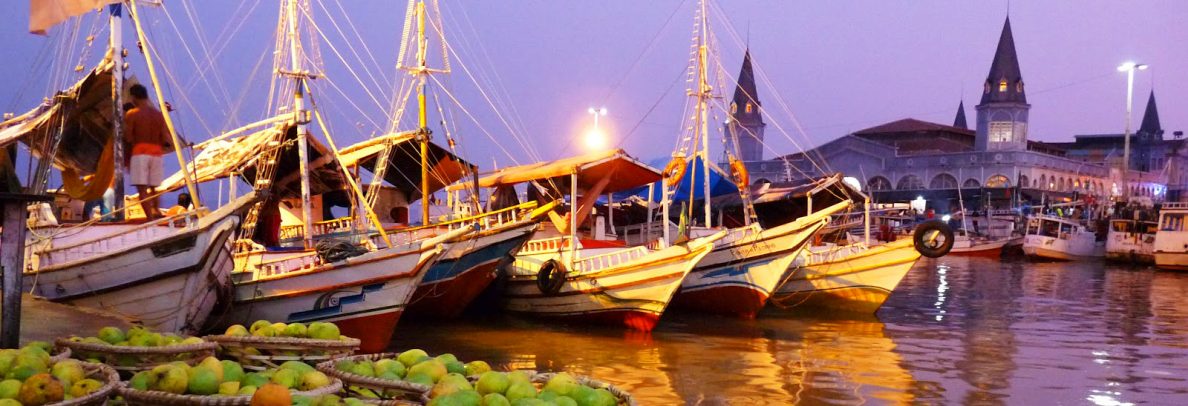
Em meio às indefinições brasileiras sobre a cidade que vai abrir a Copa de 2014 e os atrasos nas obras dos estádios, a Inglaterra, pré-candidata a sediar a Copa de 2018, já tem quase tudo pronto. Se a Fifa escolher a Inglaterra como sede, a cidade inglesa que abrigará o jogo inaugural e a final estará definida antes mesmo da cidade brasileira que sediará a primeira partida de 2014. A definição das sedes dos principais jogos do Mundial brasileiro só será em 2011.
Alguns especialistas apontam o fato de o Brasil não ter tido concorrência em sua candidatura para a Copa de 2014 como uma das causas do atraso crônico nas obras dos estádios. Ainda candidata, a Inglaterra já aponta Wembley, em Londres, como sede da final e da abertura. Além disso, o projeto de candidatura do país já tem suas 12 cidades-sedes e os 17 estádios que abrigarão os jogos caso o país vença a disputa por 2018. Os ingleses deram preferência às cidades que já possuíam arenas. Só quatro novos estádios serão erguidos, todos bancados por grupos privados.
É, vai ver que a Inglaterra está totalmente errada, com essa mania de prestigiar estádios prontos e reduzir despesas. Vou te contar…
 Blog do Gerson Nogueira
Eu até procuro esquecer a bandidagem que fizeram com Belém e todos aqueles daqui que deixaram que isso acontecesse, mas infelizmente não consigo.
CurtirCurtir
Amigo Gerson, me desculpe, mas o blog tá muito sem graça !
CurtirCurtir
Sem graça e veneno está os mosquitos do foco da dengue.
CurtirCurtir
Quer dizer, se o Brasil pisar na bola (ops, trocadilhinho ruim…) os “ingrês” terão condições de assumir até a de 2014… Não se duvide. Nesse campo só tem craque criado…
CurtirCurtir
Nao so os ingleses.
CurtirCurtir
Pode ser potoca, mas os ingleses querem passar a imprensão que seguem um planejamento pre-elaborado, coisa que até o momento não está claro e definido no Brasil. Lula garante que o país está habilitado a proporcionar uma belo evento, mesmo não sendo ele o presidente na ocasião.
CurtirCurtir
Quem leu a revista Carta Capital desta semana sabe bem o que há por trás dessas constantes reclamações da Fifa (leia-se JérômeValcke – secretário-geral) acerca das obras no Brasil.
É de repugnar!
CurtirCurtir
Concordo, Diogo. Realmente, a matéria é terrível na exposição das maracutaias da Fifa.
CurtirCurtir
Isso soa como pressão em cima do Brasil, a FIFA sempre tem um plano B, inclusive o próprio Brasil foi citado como opção em caso de fracasso da África do Sul, lembram?
CurtirCurtir
Essa ladroagem começa na FIFA continua na CBF e termina na FPF.
CurtirCurtir
Falando em Belém….
Brazil World Cup in disarray as construction falls way behind schedule
Fifa anxious as work has started at only six of the 12 stadiums chosen for 2014, while locals query choice of venues
And so to 2014. Three years ago, when Brazil was unveiled as the host of the next World Cup, the country’s president, Luiz Inácio Lula da Silva, promised a tournament so well organised that even his country’s greatest rivals – the Argentinians – would be unable to criticise it. Now, however, even Brazilians are starting to speak out against the lack of progress in stadium construction and infrastructure projects, amid concern over corruption and bad planning and calls for the number of host cities to be cut from 12 to 10.
Speaking in May to Brazilian journalists in South Africa, Fifa’s secretary general, Jérôme Valcke, was blunt. “It is incredible how behind Brazil is,” he said. “Many deadlines have gone by and nothing has happened. Brazil is not on the right track.”
Government authorities openly admit how behind their plans they are. “The World Cup is just around the corner,” Brazil’s sports minister, Orlando Silva, admitted in a recent interview. “From 12 July onwards we will become the focus. We have to quicken our pace.”
Brazil’s ambitious 2014 bid included plans for five new stadiums, in Salvador, Recife, Cuiabá, Manaus and Natal. Seven other stadiums are supposed to be given radical makeovers in order to meet Fifa regulations. But according to reports in the Brazilian media, construction work has begun only in six of the 12 stadiums, with serious question marks hanging over the long-term financial viability of several of the projects in cities where games usually attract only a few thousand fans.
“None of these projects have taken off because all of the money is coming from the public sector; a very, very good indication that they are not financially viable,” says Christopher Gaffney, a geography professor at the Universidade Federal Fluminense in Rio, who describes the stadiums as a “disaster foretold”.
Ricardo Araújo, an economist and expert in stadium management who runs a blog dedicated to charting the progress of Brazilian stadium construction, believes Brazil’s World Cup bid was destined to face problems from the moment the 12 host cities were selected. “The first mistake was the choice of the host cities – the whole process was political,” says Araújo, who argues that the Brazilian football association, the CBF, opted for 12 host cities rather than a more manageable 10 as a result of pressure from its president, Ricardo Teixeira, who sees himself as a possible successor to the Fifa president, Sepp Blatter, and was keen to garner support from regional football federations.
“The first criteria used to select host cities should be about sport. Does the city have football, does it have strong local teams? There is no point in taking the World Cup to a great city with roads, a beautiful airport and hotels if it has no football clubs,” said Araujo.
Yet instead of opting for cities such as Belém or Goiânia, with respected local clubs and large numbers of fans, the authorities decided to use cities such as Manaus in the Amazon, which was chosen over its regional neighbour Belém, and Brazil’s capital, Brasília. “It isn’t true to say that a country’s capital must be a host city. You need to have games where there are crowds and above all where the are going to be crowds after the World Cup,” Araujo said.
“Belém has a strong footballing tradition, it has clubs that have played in the first division and in the Libertadores Cup and has a good crowd average. Manaus on the other hand has virtually no football at all. It has one club in the Serie D with an average of around 1,000 fans per game. You cannot think about building a stadium for half a dozen games that then closes after the World Cup.”
Concerns over Brazil’s preparations for the 2014 World Cup are not limited to the stadiums. While Rio de Janeiro and São Paulo, the country’s two largest cities, boast large numbers of hotels, other host cities, particularly Brasília, fall woefully short of the mark.
Transport is also a major problem. Even in the country’s affluent south-east, motorways are often crater-ridden dual carriageways; in the poorer north-east and mid-west their standard is frequently life-threateningly bad. Many of Brazil’s airports are currently stretched to breaking point by demand, while multibillion- dollar plans for a TGV-style “bullet train” between Rio and São Paulo have struggled to get off the ground.
In January this year the government announced that R$20.1bn (£7.6bn) would be spent preparing Brazil for the World Cup, including R$2.5bn on airport improvements and R$1bn on hotels. But analysts believe that even with that cash injection Brazil is unlikely to make significant progress until at least next year.
Araujo dismissed the suggestion that the delays might lead Fifa to host the 2014 World Cup elsewhere, as some sections of the Brazilian media have suggested. “The big problem will not be about hosting the event, the World Cup is not at risk,” he said. “The big risk is about us, about Brazil, about white elephants and about several billions being poured down the drain on stadiums that will never be used after the World Cup.”
Source: http://www.guardian.co.uk/sport/blog/2010/jul/13/brazil-world-cup-2014-delays
CurtirCurtir
Em resumo da tradução:
Os britânicos perguntam a mesma coisa que nós…
CurtirCurtir
Valeu Alberto.
Uma reportagem excelente onde falam de quase tudo que já foi debatido exaustivamente aqui no blog. Uma prova de como estamos antenados.
Muito feliz o Ricardo Araujo qiando menciona a falta de critério na escolha de sedes como Manaus que só tem um time disputando uma série D em detrimento de Belém que tem times de grande apelo popular, com um delesos há pouco na primeira divisão e disputando Libertadores.
CurtirCurtir